
#01: imaginary events
Welcome to the first issue of Four Really Cool Creative Things. I love finding cool creative things and sharing them with my friends, so I thought I’d just start sharing stuff with the world.
This newsletter will evolve as I evolve. I might change up sections as my ever-changing, constantly fluctuating mood sees fit.
For now, I really want to share cool books, cool ideas/projects, cool prompts that stretch your creative limits, and cool random things I found beautiful in books or on the internet. Could be quotes, images, or the occasional gut-wrenching meme.
Finding and discovering new things is such an important part of my creative process. I might see or read something that magnifies an idea I’m stuck on or sends a project in a completely new direction.
I want this newsletter to be a source of inspiration in an increasingly sloppy internet, where creators repurpose trends and rely on AI to make lists with the same information posted months ago. There’s so much out there that the good stuff gets buried in fried-out GenAI.
I want to promote experimentation because, to me, life is one big experiment. Read about weird stuff, expose yourself to the strange, and see yourself in it.
So here are my first finds:

no. 1: cool idea.
FORCE! an opera in three acts.
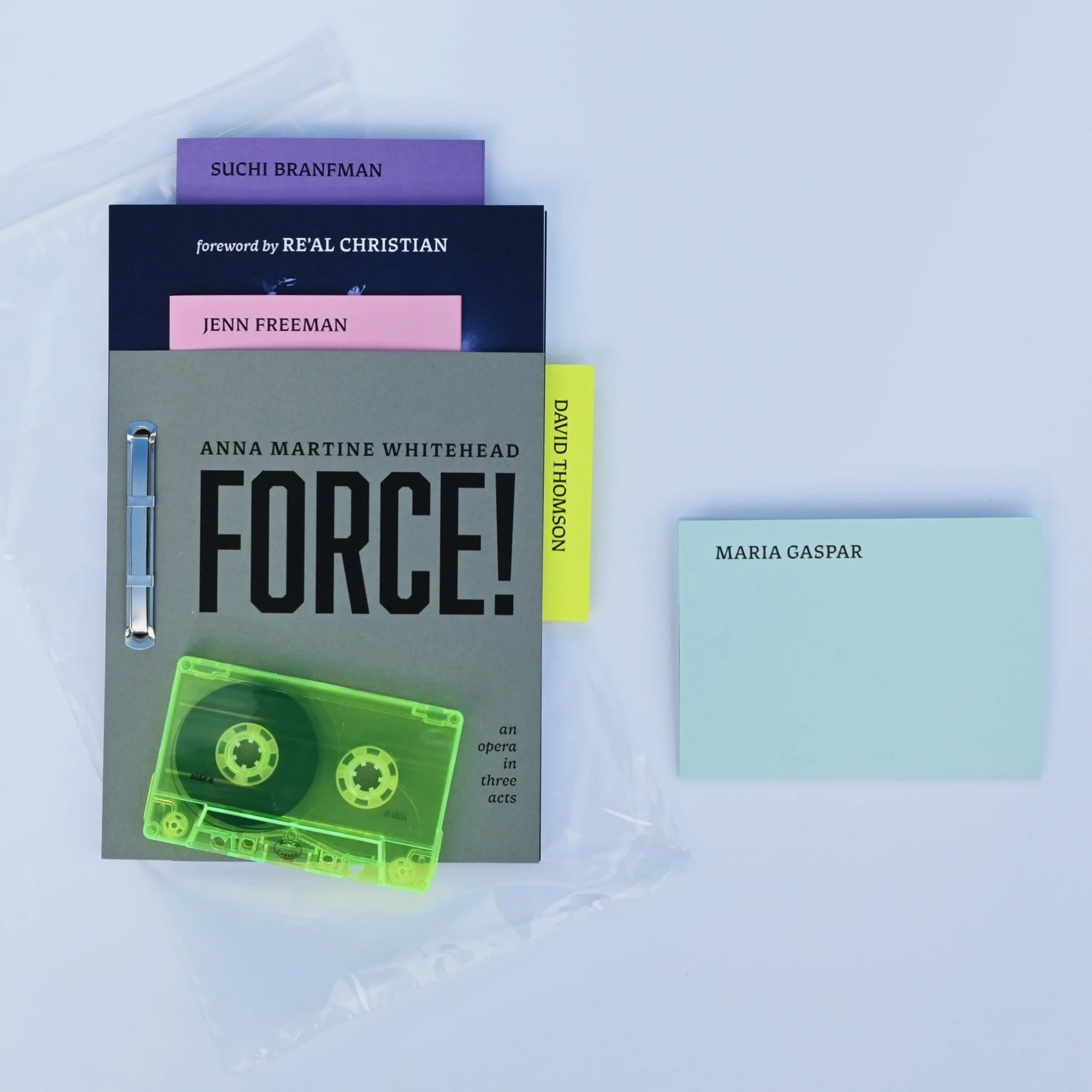
A book within an opera within a cassette tape of a recording of an opera within artistic interventions deliciously bound in a folio-type thing???
Anna Martine Whitehead’s “FORCE! an opera in three acts,” published by Sming Sming Books (great weird name btw), sounds like a powerhouse of a project, combining sound, essays, and artistic interventions from four artists that work alongside the “emergent opera.”
From the foreword written by Re’al Christian: “FORCE! is an opera, but an opera can be many things. This one tells the story of three Black femme characters and their counterparts incarcerated within the prison system. The entire story unfolds within the liminal space of the waiting room—over time, it reveals the interiority of each character, as well as their shared fantasies for a world beyond the one they presently occupy, one that exists beyond walls or borders. At its core, the opera centers on this act of collective dreaming.”
I was just telling someone, probably ignorantly, that it was time for the opera to be innovated.
It’s happening through this beautifully thought-out, well-composed idea.

no. 2: cool artist.
Tala Madani, painter & animator
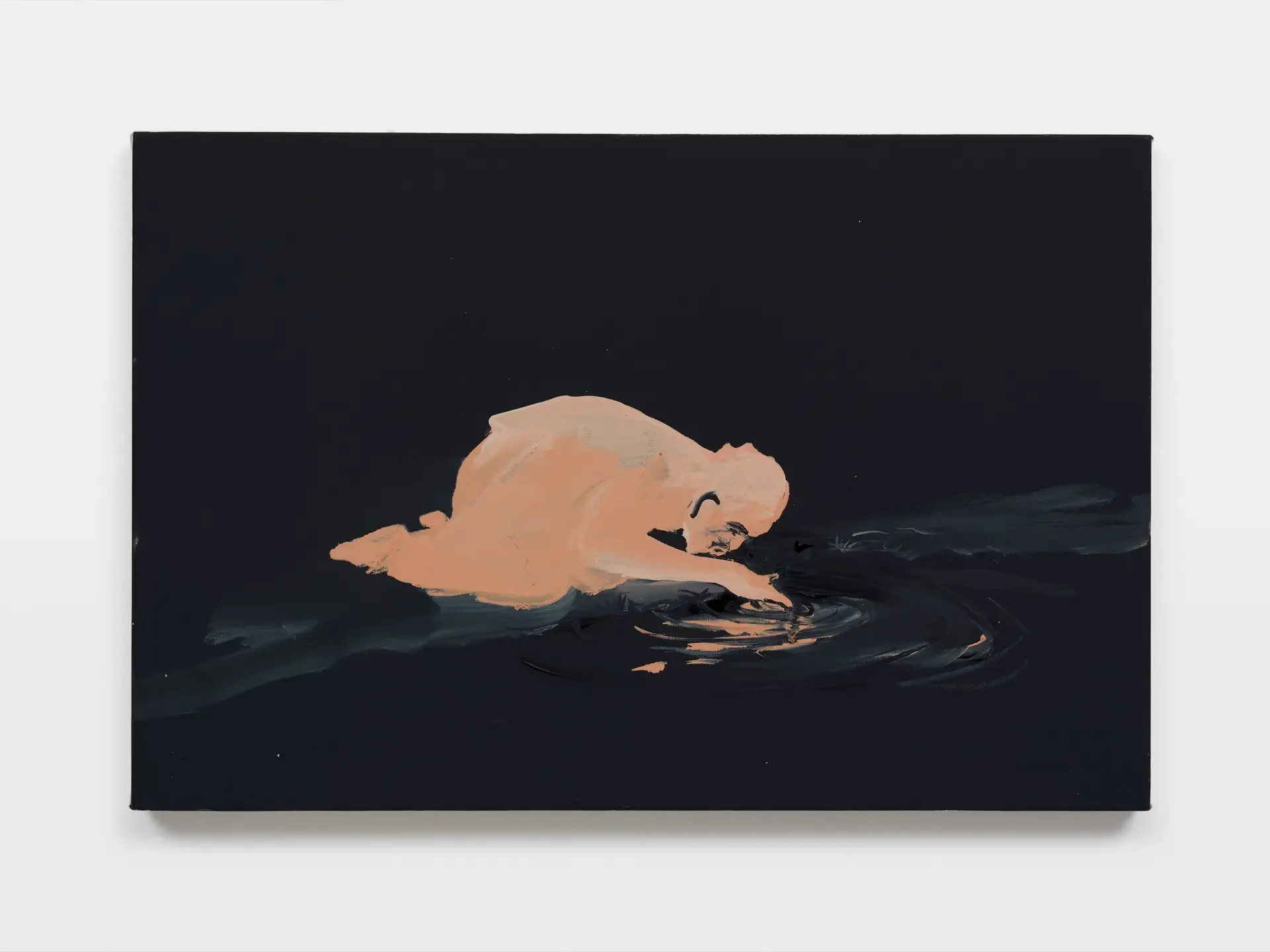
Tala Madani, The Conversation, 2026. Oil on linen, 12 × 18 inches.
Yesterday I bought a fountain pen because I wanted to slow down my writing on purpose. My brain moves at high speeds, so I have to remind myself to take it easy, especially when journaling or writing fiction (which I like to write by hand these days).
I thought it was an interesting coincidence that I came across this interview in The Brooklyn Rail with painter Tala Madani, who talks about deliberately slowing down her normally fast painting process. She likes to paint fast because she wants to find “events” in her painting.
In her practice, she realizes that different ideas sometimes demand their own tempos.
But the quote that made me most curious was this: “It’s actually quite interesting to think about whether the artwork that you see is the medicine or if it’s the cure. Is it just going to ease the pain of your disease, or is it going to cure you?”
I’m gonna be chewing on that for a while as I go out and see art.

no. 3: cool book.
The Rouse by China Miéville
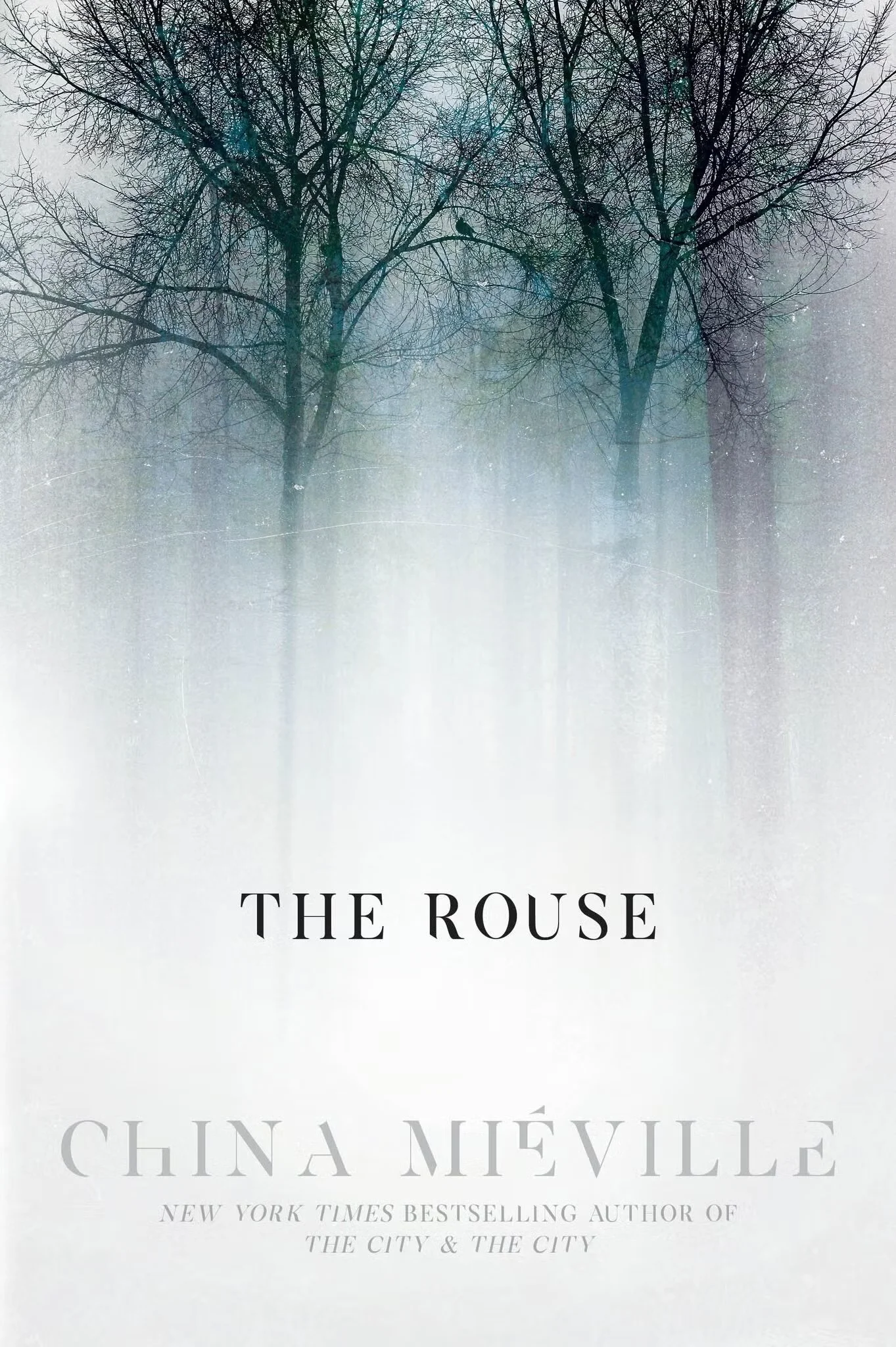
I’m about 50 pages into the mammoth of a book by China Miéville, The Rouse, that took him over 20 years to write. At over 1,000 pages, I was in the mood to bite off more than I could chew.
I have no idea what’s going on, but I know that the main character is a deeply repressed creative, on the edge of poverty, with a sick father. In the background of all of her struggles, she keeps thinking about painting.
I didn’t want to read too much into the plot, but I know it has something to do with raising the dead. And I wanna see if she finally paints.
The publisher emphasized that Miéville took over 20 years to write it. That marketing, besides being a fan of Mieville, is what sold me. I wanted to see what a book that took so long to write would be like. I wanted to speculate what kind of book it would take me 20 years to write.
It’s poetic, frenetic, dreamy (or nightmarish), and it feels like a hazy memory. I’m into that feeling as I battle with my own fear of uncertainty.

no. 4: cool experiment.
The Imaginary Event Archive
Based on FORCE! and Tala Madani’s fascination with finding events within her paintings, imagine a fictional event.
It could be historical, spanning over time, a minute-long event, a speculative event, an extended happening—there are no limits to what the event can be.
Choose two to three different mediums to create evidence of your fictional event and gather them in a folder, folio, binder, or another innovative way. Give it a name and a backstory. Who was or wasn’t involved in the event? You can be blatant, or it can be a mystery.
Send me what you made at zack@likereallycreative.com or post it on Instagram and tag me at @zackorsborn.